Phone: +44 (0)20 8492 1600
Need help or have a question?
Contact us at: [email protected]


When you combine long airport queues, heavy luggage, and hours of walking or sitting, everyday foot care and travel planning quickly become essential for comfort and health.
| Question | Short Answer |
|---|---|
| How can I keep my feet comfortable for daily walking and travel? | Combine supportive footwear with cushioned insoles such as All-day Comfort Insoles and give your feet regular rest and stretching. |
| What should I wear on long flights to reduce swelling? | Graduated compression socks, like Profoot Flight Socks, can support circulation and help manage swelling on longer flights. |
| How do I deal with foot odour when travelling? | Keep feet clean and dry and use odour control insoles such as Ultimate Control Odour Insoles for daily wear. |
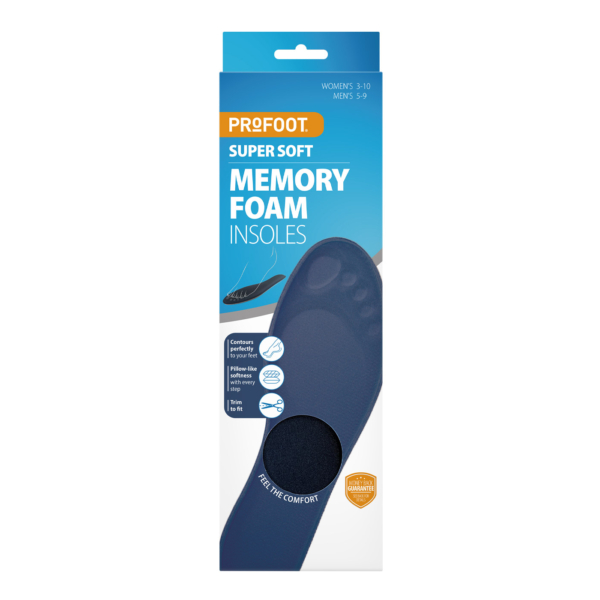
| Can insoles help with long days of sightseeing? | Yes, cushioned and supportive insoles such as Memory Foam Insoles help absorb shock and reduce fatigue during long days on your feet. |
| What if I already have common foot problems? | Plan ahead, protect sensitive areas, and read up on common foot problems so you can manage symptoms before and during travel. |
| Where can I learn more about daily foot care? | Our dedicated foot care advice section provides practical tips for everyday life and travel. |
Your feet work hardest when your routine changes, which is exactly what happens on holiday, business trips, and long commuting days. Crowded stations, airport queues, city sightseeing, and new shoes all increase the stress on your feet.
Studies of walking-heavy trips, show foot problems in nearly half of participants, which highlights how quickly issues can appear when daily steps increase. Good everyday habits give your feet a stronger base so they cope better when you travel.
If you already live with bunions, corns, or calluses, planning ahead makes a big difference before a trip. Our advice hub on common foot problems explains symptoms and practical next steps.
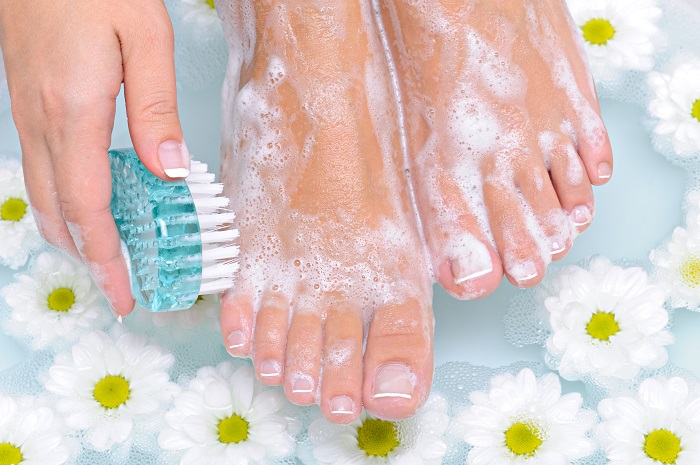
A few weeks before you travel, it helps to treat your feet the way you would treat your packing list: organised and consistent. That way, any small issues appear at home rather than halfway through a city break or long-haul flight.
If you think you may have a fungal problem or skin irritation, arrange treatment early so it has time to improve. Our page on athlete’s foot explains symptoms and what you can do about them.
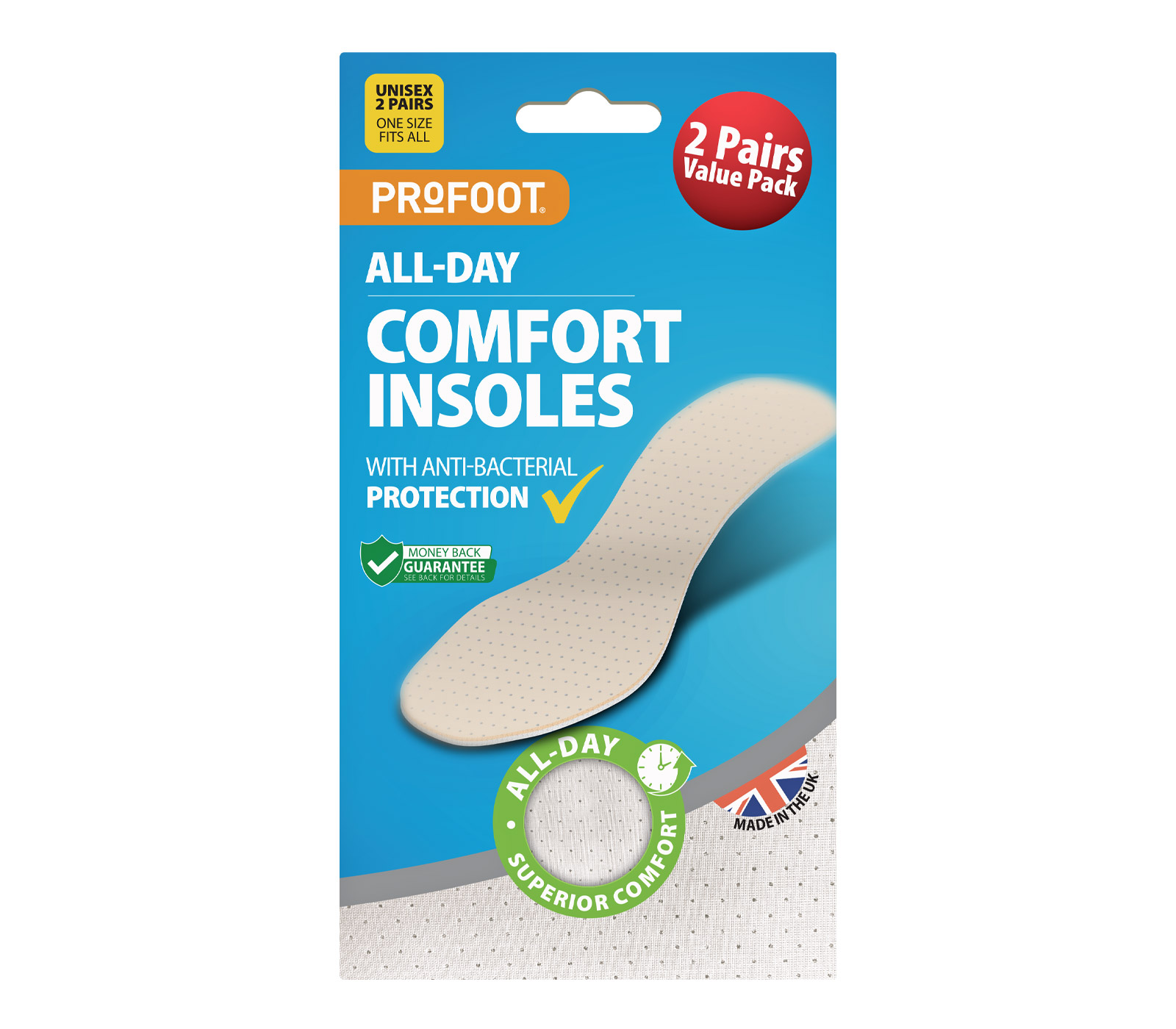
Your shoes may look suitable, but the inside of the shoe often decides how your feet feel at the end of a travel day. Insoles can cushion each step, support your arches, and make the same pair of shoes far more comfortable for walking and standing.
Our insoles collection is designed to help with everyday standing, commuting, and longer days out. Wearing supportive insoles day to day means your feet are already used to them when you arrive at the airport or train station.
| Insole type | Best for | Travel benefit |
|---|---|---|
| All-day Comfort Insoles | General cushioning and anti-bacterial protection | Ideal if you walk and stand a lot during trips |
| Memory Foam Insoles | Personalised cushioning that moulds to your foot | Comfort for long sightseeing days and city breaks |
| Gel Insoles | Shock absorption | Helps with impact from hard pavements and airports |
Using insoles is a simple way to support your feet without changing your usual shoes. In 2025, only 40% of people with foot pain reported using inserts, even though they can make a big difference to daily comfort.
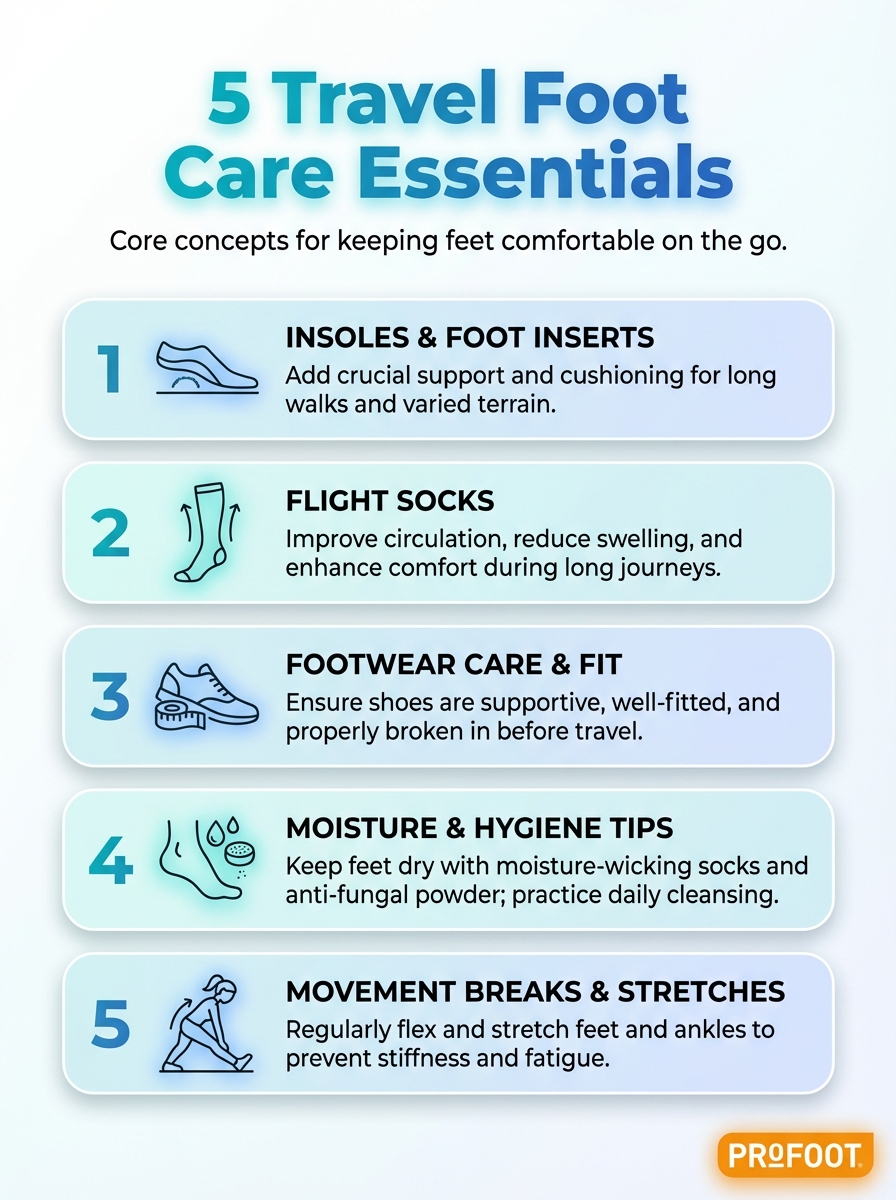
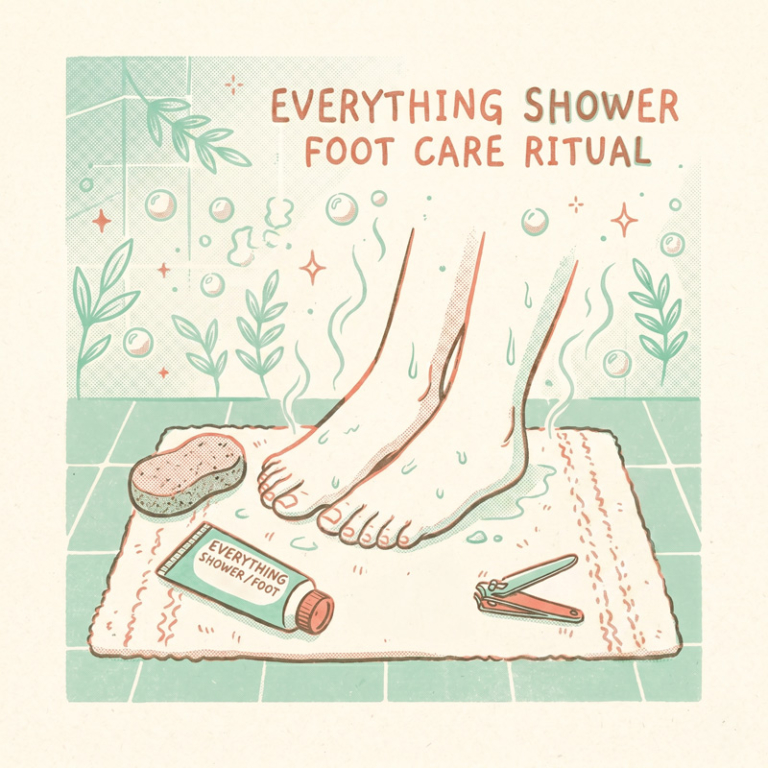
This infographic highlights five must-have foot care items for everyday use and travel. It helps you stay comfortable on the go with practical tips and essentials.
Did You Know?
In 2025, 66% of people with foot pain reported difficulty walking and 38% reported difficulty exercising, showing how sore feet can limit daily movement and travel plans.
Many travellers notice heel or arch pain first, especially after walking tours or long days in city centres. Simple support under the heel or arch can reduce strain and help you enjoy more of your trip.
Products such as Gel Max Heel Cushion and 3-Zone Orthotics are designed for these specific areas. You can wear them day to day and then rely on the same comfort when you travel.
If you often feel tired, achy feet by the afternoon or notice pain in your knees or lower back after walking, extra foot support can help. Three-quarter length designs fit easily into many shoes, which is helpful when you move from trainers in the day to smarter shoes in the evening.
Warm weather, closed shoes, and long travel days create a perfect setting for sweaty feet and odour. This is not only uncomfortable but can also be linked to skin problems and fungal infections.
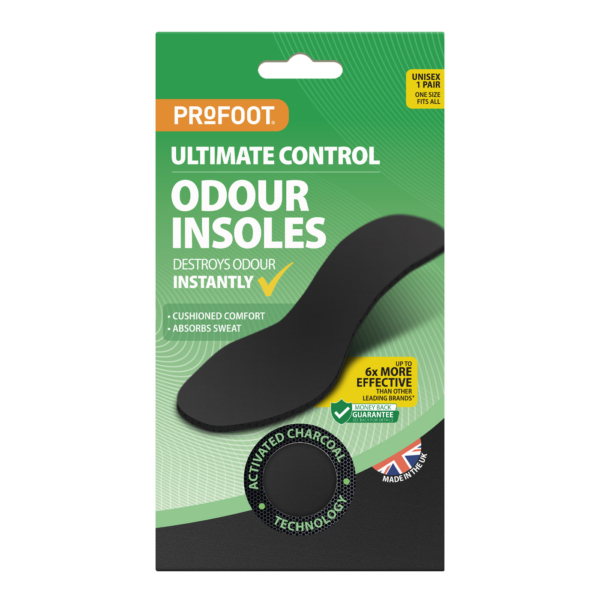
Our Ultimate Control Odour Insoles are designed for daily wear and are particularly useful on trips where you use the same pair of shoes frequently. Good odour control supports confidence as well as comfort.
Pay attention to any itching, peeling skin, or strong odour that persists. Early care can help prevent athlete’s foot and similar issues from disrupting your travel plans.
Foot swelling during air travel is common and longer flights bring additional concerns about circulation and clot risk. Medical guidance shows that compression stockings on long flights reduce swelling and help lower the risk of symptomless clots.
Flight socks apply gentle, graduated compression that supports circulation in the lower legs. We design Profoot Flight Socks for travel comfort so you can focus on your trip rather than your ankles.
Did You Know?
Across 12 clinical trials, wearing graduated compression stockings on flights reduced symptomless deep vein thrombosis to one-tenth of the usual risk and also reduced leg swelling.
Seasonal changes have a direct effect on your feet, both at home and when you travel. Cold climates, wet weather, or very warm destinations all place different demands on your footwear and daily foot care routine.
In colder months, feet that stay cold and damp are more prone to discomfort and skin issues. Warm, cushioned insoles such as Lambswool Insoles add natural warmth and comfort that works both in winter boots and in everyday shoes.
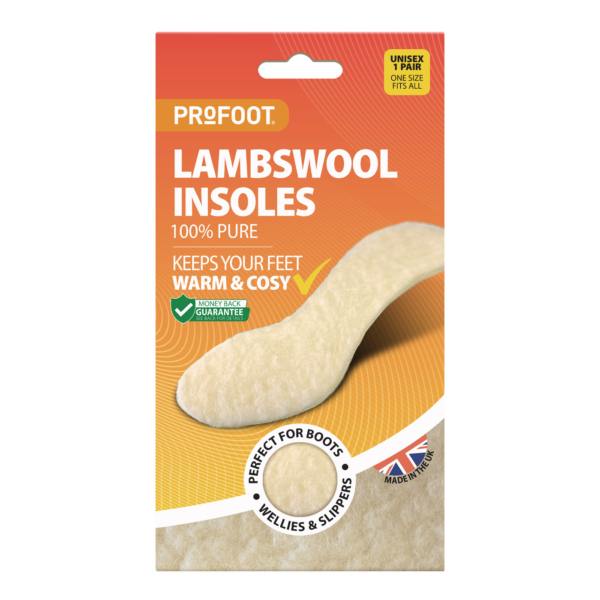
In hot weather, swelling and friction can trigger blisters or make existing problems such as bunions feel worse. Cushioned insoles can help reduce impact on hard pavements, and breathable socks support moisture control.
If you live with bunions, corns, calluses, or recurring athlete’s foot, travel can sometimes bring extra discomfort. The good news is that planning ahead with the right protection and routine can keep you more comfortable on the move.
Many people only seek help once they are already in pain. Yet early planning, including the right insoles and skin care, often reduces the need for urgent treatment while you are away.
Tip: Pack a small foot care kit with spare insoles, blister plasters, and any creams you rely on at home.
A simple foot care section in your suitcase can make travel days more comfortable and protect your feet when plans change. It does not have to take much space, yet it can save a lot of discomfort.
Remember to wear your most supportive shoes when travelling to and from your destination. This frees up space in your luggage and ensures you have your most comfortable pair ready for any unplanned walking.
Feet give early signals when something is not quite right. Paying attention to those signals during and after travel helps prevent small niggles from turning into longer-term problems.
If you notice persistent pain, new swelling, or skin changes, it is sensible to reduce activity and seek advice if symptoms do not improve. Back home, keeping the same supportive habits helps your feet recover from travel and prepares them for your next trip.
Everyday foot care and travel comfort are closely linked. When you look after your feet at home with good hygiene, supportive insoles, and the right socks, you build the foundation for more comfortable flights, city breaks, business trips, and daily commutes.
Our aim is to help you keep your feet comfortable wherever life takes you. From our full range of foot care products to practical travel advice, we are here to make walking, standing, and travelling a more comfortable experience for you every day.